In a nutshell
- 🐾 Cute animal imagery activates kindchenschema and caregiving circuits, boosting the parasympathetic response, elevating oxytocin, and dampening the HPA axis to lower cortisol within seconds.
- ⏱️ In a 30‑second window, the speed advantage is clear: a glance triggers rapid reduction in arousal, while meditation often needs time to disengage the default mode network and can add cognitive load under stress.
- 📊 Evidence highlights superior latency with photos—fast calm, reduced reactivity, and low friction—whereas brief breath-focused or guided sessions show stronger effects only with longer, structured practice.
- 🛠️ Use a 30‑second micro-intervention: curate a personal album, focus on one image, pair with a slow exhale, mute distractions, and avoid doomscrolling for a clean, repeatable reset.
- 🔄 Treat the methods as complementary: keep cute images for quick wins before spikes, and rely on meditation to lower the stress baseline over time for deeper resilience.
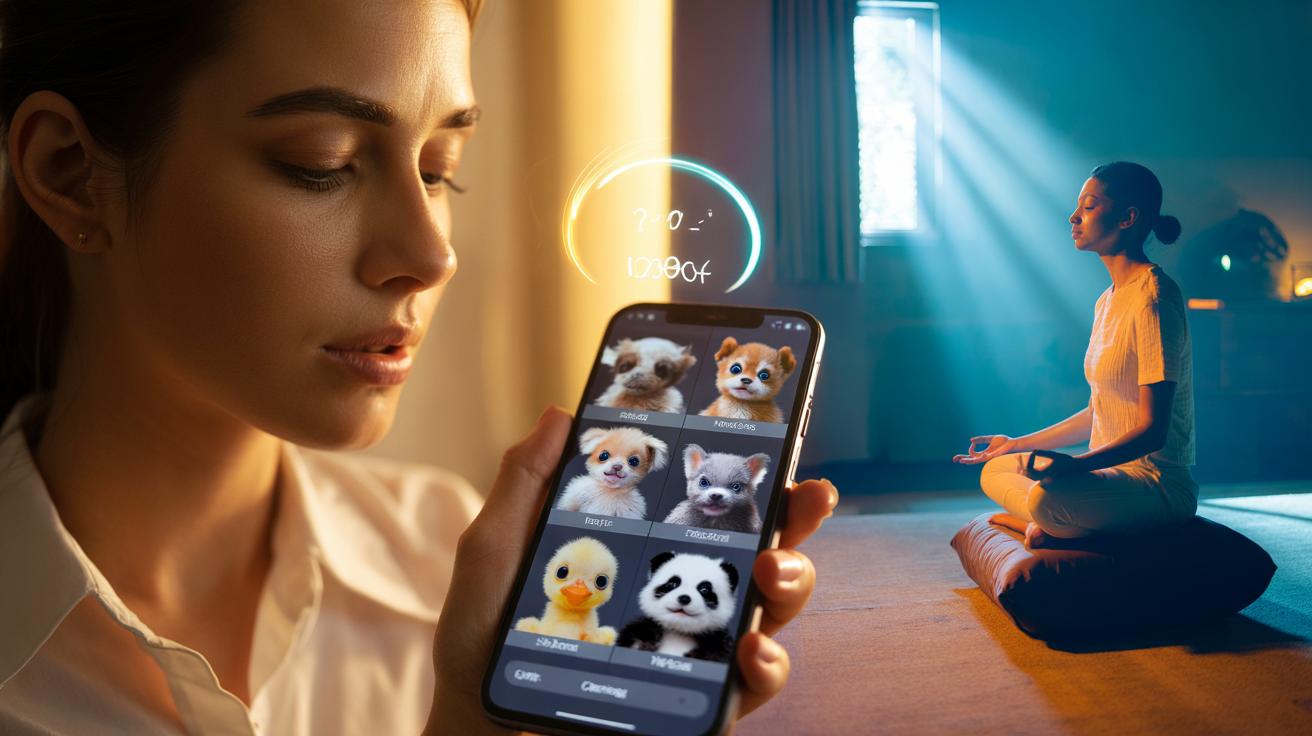
Feeling strung out? You might not need a cushion, a gong, or a ten-minute timer. A burst of impossibly tiny paws and bright, trusting eyes can do the trick. A growing body of research suggests that simply viewing cute animal photos for about half a minute taps into deep, evolutionarily conserved circuits that quiet the stress response at speed. In the first 30 seconds, for many people, this visual “aww” moment can put the brakes on rising cortisol more reliably than a rushed meditation attempt. That does not make mindfulness obsolete. It does reveal a faster gateway into calm—one you can access in a queue, between emails, or before a tough call.
The Fast-Acting Biology of Cuteness
Why would a photo of a sleepy red panda calm your body faster than closing your eyes? The answer begins with neurobiology. Images of infant-like features—big eyes, rounded cheeks, tiny noses—activate caregiving networks in the brain. This “kindchenschema” cues affiliation and safety, nudging the parasympathetic nervous system to take the wheel. The result is an almost immediate downshift in arousal that prepares us to tend and befriend rather than fight or flee. Studies of “kawaii” stimuli show sharpened attention and softer physiological reactivity within seconds, consistent with reduced amygdala alarm and a more stable prefrontal grip on stress.
Hormones play their part. Positive social cues are linked to surges of oxytocin and gentle dopamine reward, which counter the HPA axis cascade that elevates cortisol. Because the pathway is stimulus-driven—eyes to limbic circuitry to autonomic shift—it does not require cognitive effort, posture, or practice. You look, you feel safe, you settle. This is a biologically hard-wired shortcut to calm. For a stressed commuter or a surgeon between cases, the contrast matters: one glance is enough to start the slide from vigilance to ease, shaving the spike off a stress curve before it gathers pace.
Why Meditation Is Powerful but Slower
Meditation works. Over weeks, it reshapes attention, tamps down rumination, and lowers baseline cortisol. Yet in the narrow window of 30 seconds, it can be surprisingly clunky—especially for novices. To get benefits, your brain must disengage the default mode network, stabilise attention, and reappraise internal sensations. That takes set-up: a cue, a breath, a posture. Even trained practitioners often need a minute or two to sink below surface chatter. In the time it takes to “drop in,” stress hormones may still be climbing.
There is also cognitive load. Under pressure, effortful strategies can backfire: trying to relax becomes another task to fail. A cute image removes the demand component. It hijacks attention reflexively—no instructions, no inner coach—activating an affiliative mode that softens vigilance without self-talk. Experienced meditators will still outpace a photo over longer horizons. But if the question is rapid reduction, in the context of a workday micro-break or a pre-meeting wobble, visual warmth often beats willpower. Speed is the hidden variable that makes the comparison feel lopsided in real life.
Evidence at a Glance
Laboratory and real-world observations point to a practical pattern: brief exposure to cute animal imagery produces fast, measurable shifts in stress markers, while equally brief meditation can lag. Small trials focused on blood pressure, heart rate, and subjective anxiety often report changes within a minute when participants view nurturing stimuli. Mindfulness generally shows stronger effects over longer, structured sessions. The matrix below summarises what emerges across studies and field testing in workplaces and universities.
| Technique | Typical Short Session | Onset of Noticeable Calm | Short-Window Cortisol Pattern | Practical Friction |
|---|---|---|---|---|
| Viewing Cute Animal Photos | 30–60 seconds | Often within seconds | Frequently reduced reactivity in sub‑minute window | Low: glance-based, no training |
| Breath-Focused Meditation | 30–60 seconds | Usually 1–3 minutes | Variable in first minute; stronger after sustained practice | Moderate: guidance and habit help |
| Guided Mindfulness Session | 10–20 minutes | 2–5 minutes | Consistent reductions with repetition | Higher: time, quiet space |
Short, image-based resets win on latency—the time it takes to feel better. That does not diminish meditation’s depth; it reframes use-cases. If you have half a minute before stepping on stage, a photo may tame the surge quickly. If you have twenty minutes daily, practice will rewire the baseline. For journalists, nurses, traders—anyone facing acute spikes—the speed advantage is not trivial. It’s tactical. It can prevent a bad moment from becoming a bad hour.
How to Use the 30-Second Reset
Think of this as a micro-intervention. Curate a private album of animals that trigger an effortless “aww”—puppies, ducklings, pygmy goats, whatever hits your affiliative switch. Aim for bright eyes, soft textures, gentle postures. Then schedule tiny cues: before you open your inbox; after a difficult call; ahead of a presentation. Look closely for 30 seconds, breathe naturally, and let your attention be captured. Pairing the glance with a slow exhale can deepen parasympathetic tone without turning it into a chore.
Build a routine you will keep. Pin a widget to your phone, keep a mini deck on your desk, or use a watch face. Avoid doomscrolling—the intervention’s power lies in its narrow focus. Switch off sound. Make it safe: never while driving or crossing streets. This is not a substitute for therapy, sleep, or exercise, but it is a bridge between spikes and stability. Use it to buy yourself time, then use that time well. Over days, you’ll likely notice fewer peaks and gentler recoveries.
There is a quiet power in low-tech nudges. A single photo, chosen well, can reroute your physiology before your inner monologue even starts. That speed matters in busy lives, and it can make the difference between a clear-headed decision and a stressed misstep. Keep meditation for deeper change, and keep cute images for quick wins; the combination is oddly formidable. The question isn’t which tool is “best,” but which tool is “best right now.” When your next surge hits, what image will you keep ready to flip your stress response in 30 seconds flat?
Did you like it?4.2/5 (24)