In a nutshell
- 🧠 The doorway effect stems from event boundaries that shift context and disrupt short-term intentions; classic studies show crossing thresholds can impair recall.
- ✋ Touching the doorframe uses embodied cognition to create a salient retrieval cue, turning a disruptive threshold into a prompt and supporting prospective memory.
- 📝 Practical method: label the intention (five words or fewer), touch the frame while saying it, hold one breath, then repeat the label in the new room; be consistent and use alternatives if hands are full.
- 📊 Quick reference: pair triggers—doorways, stairs/lifts, phone interruptions, meeting switches—with simple cues (frame touch, handrail tap, pause-and-repeat), and standardise one reliable ritual.
- ⚠️ Limits: it’s a helpful nudge, not a cure; stress, sleep loss, and heavy cognitive load can overwhelm it, so combine with sleep hygiene, fewer simultaneous tasks, and visible waypoints.
You stride through the hallway, mission in mind, and then—blank. What did you come in here for? This maddening lapse has a name: the doorway effect. It’s not a personal failing; it’s a quirk of how minds parcel experience into scenes. A simple, almost cheeky fix is trending in homes and offices: touch the doorframe as you cross it. It looks odd. It works. The touch anchors intent, resets attention, and turns a mental tripwire into a cue. By claiming the threshold, you reclaim your plan. Skeptical? Good. Here’s the science, the method, and the limits—so you can test it in your own corridor lab.
What Is the Doorway Effect?
The doorway effect describes a memory hiccup that often occurs when we move from one room to another. Psychologists call this an event boundary: a shift in context that tells the brain, “New scene, new priorities.” That’s efficient for navigating complex environments, but it can abruptly shelve your short-term goal—pick up the charger, fetch the stapler, check the oven—because those intentions were encoded in the previous room’s context.
Classic experiments by Gabriel Radvansky and colleagues showed that crossing thresholds can impair recall compared with walking an equal distance in the same room. When we change rooms, our context-dependent memory gets jostled, and cues that supported the plan—objects in sight, smells, the task in hand—drop away. In those moments, the intention still exists, but it’s floating unmoored.
Daily life adds fuel. Phones ping, kids ask questions, a cat streaks past. Attention—already taxed—tilts toward the new scene, not the reason you left your chair. The doorway acts like a chapter break; the brain turns the page. The result is that peculiarly British ritual of standing in a kitchen, frowning at a kettle, wondering why you’re there.
Why Touching the Doorframe Works
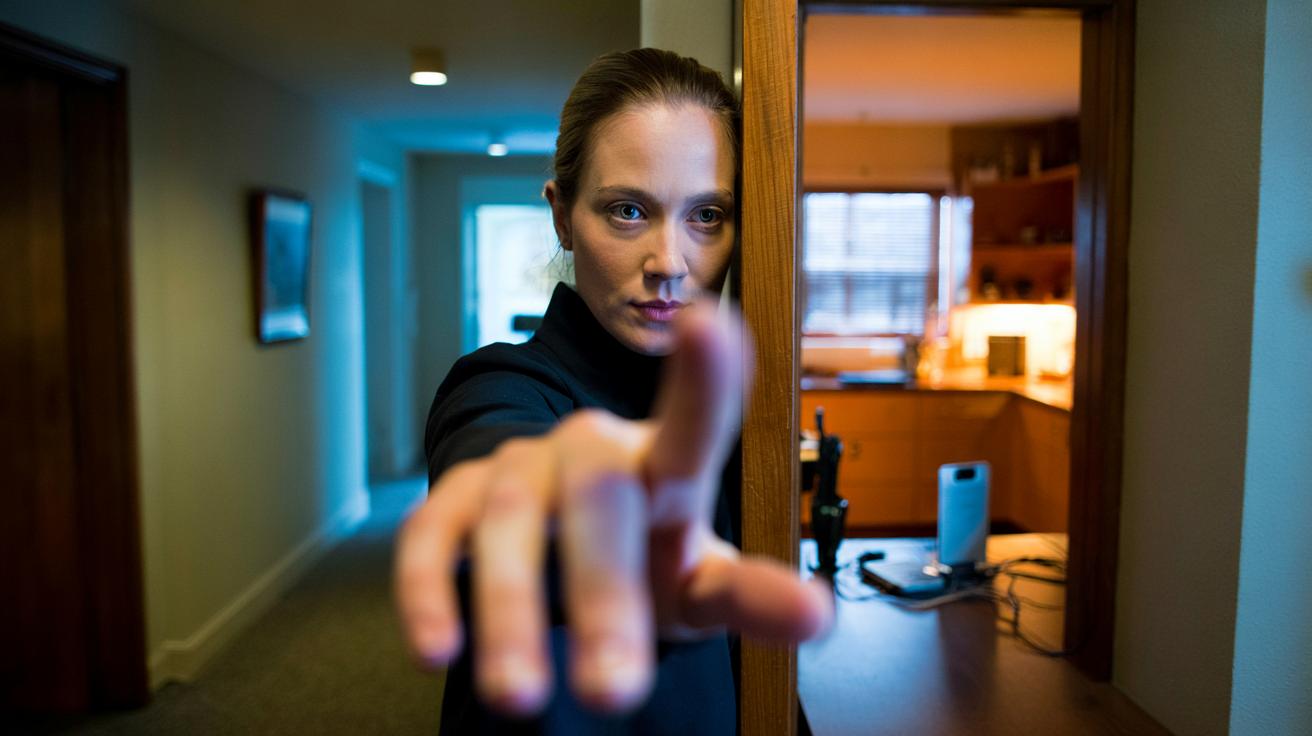
Touching the doorframe leverages embodied cognition: the idea that the body can stabilise, retrieve, and even create mental states. A brief, deliberate touch forms a retrieval cue linked to your intention. Because cues bind better when they’re distinctive and consistent, the doorframe—crossed multiple times a day—becomes a reliable anchor. A consistent ritual converts a doorway from a memory disruptor into a prompt.
There’s also a shift from autopilot to awareness. The tiny pause interrupts the brain’s event-boundary sweep, nudging you to rehearse the plan—“Phone charger, office drawer”—while the tactile sensation stamps that plan with a fresh contextual tag. It’s like dropping a breadcrumb at the threshold so you can find your way back to the thought a few seconds later.
Finally, the act calms noise. A physical anchor reduces micro-distractions by occupying a fragment of working memory with a purposeful sensation. That frees your prospective memory—the system that remembers to do things—to hold the intention steady as you cross. Is it magic? No. It’s a nudge. Yet nudges compound. Small rituals, repeated, build dependable cognition.
How to Use the Doorframe Fix, Step by Step
First, give your intention a simple label. Five words or fewer. “Water the fern.” “Find passport.” “Email Louise now.” Then start walking. As you approach the threshold, repeat the label, out loud if you can, under your breath if you can’t. The key is clarity. Vague intentions dissolve; crisp ones stick.
Second, touch the frame—finger, knuckle, or palm—and pair the touch with your label: “Find passport.” Hold the touch for one slow breath. That half-second glues the tactile cue to the plan. If you’re carrying things or the frame is out of reach, tap your thigh or the door handle instead. Consistency beats perfection.
Third, on entry to the new room, glance at a relevant object and say the label again. That creates a second cue in the new context. If you blank anyway, don’t panic. Return to the threshold, touch again, and repeat the label. Rituals become reliable when you repeat them even when they feel unnecessary. Soon, the doorway itself will prompt the plan, and those kitchen standoffs will dwindle.
Quick Reference: Triggers and Cues
Use this at-a-glance guide to keep intentions intact across thresholds. The pairings below help you swap a fragile mental note for a sturdy, multi-sensory cue. Choose whatever you can perform without fuss in your setting—home, school, or open-plan office.
| Trigger | What Happens | Simple Cue | When It Helps |
|---|---|---|---|
| Crossing a doorway | Context shift scrambles recall | Touch frame + say label | Fetching objects, short errands |
| Stairs or lifts | Scene change plus motion | Handrail tap + label | Multi-floor office tasks |
| Phone interruption | Attention hijacked mid-intent | Pause, repeat label, then answer | Busy households and meetings |
| Meeting room switch | New people, new priorities | Door handle squeeze + label | Agenda items, key questions |
Rotate cues until one sticks; then standardise. A single, well-practised move binds intentions faster than a clever but inconsistent routine. Make the doorway your ally, not your adversary. You’ll feel the difference within days.
What Science Says and What It Doesn’t
Laboratory findings show that event boundaries can degrade recall, yet results vary with task type, delay, and distraction. In some replications, walking through virtual doorways didn’t tank memory much. In real homes, though, cluttered contexts and divided attention magnify the effect. That’s why the doorway fix feels disproportionately helpful on hectic days and hardly necessary on quiet ones.
Crucially, touching the doorframe doesn’t “beat” the brain. It works by adding salient retrieval cues and by rehearsing intent right as context flips. Think cue-based learning, not a neuro-hack. It’s closer to tying a knot in a handkerchief than to rewiring synapses. Still, handkerchiefs endure for a reason: they’re simple, public, and hard to ignore.
There are boundaries. Stress, sleep loss, and heavy cognitive load will swamp any micro-technique. If you’re routinely forgetting why you entered a room, consider larger levers: sleep hygiene, fewer simultaneous tasks, and visible waypoints (sticky notes at choke points). Use the frame touch as part of a wider memory toolkit, not as a solitary fix. When combined, small cues and sensible habits add up to dependable recall.
Turning a threshold into a thinking tool takes no money and almost no time, yet it can save a morning’s momentum. Label the intention, touch the frame, repeat the label inside the new room. That’s it. You will still have lapses—everyone does—but those blank kitchen stares will be rarer and shorter. Perhaps the bigger win is psychological: you feel in charge of the transition, not at its mercy. What other everyday micro-rituals could you adopt to make your brain’s scene changes work in your favour?
Did you like it?4.4/5 (27)